Gate K or Gate Onion.
7:00 AM: The drive to the gate was, to say the least, interesting. Surrounding the Cotton Bowl Stadium in Dallas, is an abandoned carnival and creepy greek god statues with some functioning fountains. The vines creeping up on the fences add to the haunting vibe.
7:30 AM: Entering through Gate Onion with my blue staff wristband (I was volunteering as part of NOAA, NASA, and NSF), I was welcomed with fresh, REAL green grass and walked across the field, accidentally crossing a live news channel.
7:30 – 8:30 AM: I set down my camera and solar telescope equipment and stared at the sky. On the left, I could see the sun’s rays inching over the stadium. On the right, however, I could see the gray clouds tumbling over, creating an uneasy feeling in my stomach. Still, I hoped that the clouds would magically go away, and I set up my solar telescope first as it was lighter and definitely more manageable to set up than my 15 lb camera. At the same time, I also met some solar physicists from Boulder, CO, and India (they traveled all the way from India for this eclipse). They came here to do research, and I thought it was amazing that I could hang around solar physicists as well as learn more about the sun.
8:30 – 9:30 AM: As I set up the camera, I noticed something with the battery. It. Was. At. 20%. Luckily, I had two more spare batteries, and only one was 100%. Now, the clouds completely covered the sky, and I started to lose hope. To distract myself from my thoughts, I headed to the higher levels of the stadium, walked over to the NASA, NOAA, and NSF stalls, and grabbed as much free merch as I could. When I came back down, I listened to the guest speakers rambling, but the words went through one ear and out the other.
10:00 – 11:00 AM: The clouds drifted apart a little bit, and I was able to see the sun and the moon. I quickly turned my camera on and screwed my solar filter to my lens. I could see the sun in the camera’s live view, but when I clicked the shutter button, it was either overexposed or underexposed. Thankfully, I got help from one of the research scientists, and he told me that I was on auto bracket exposure mode, so I changed to manual, and I could capture the sun fully with two sunspots.

12:23 – 1:40 PM: The moon starts to inch over at around 2000 miles per hour and begins to make its appearance, blocking the sun. The clouds create an unusual theme in my photos, like wispy cotton candy floating in the sky. The wispy cotton candy is mesmerizing, and it gives a unique touch to my photos. The moon slowly eats away the sun and the countdown to totality makes my heart race.
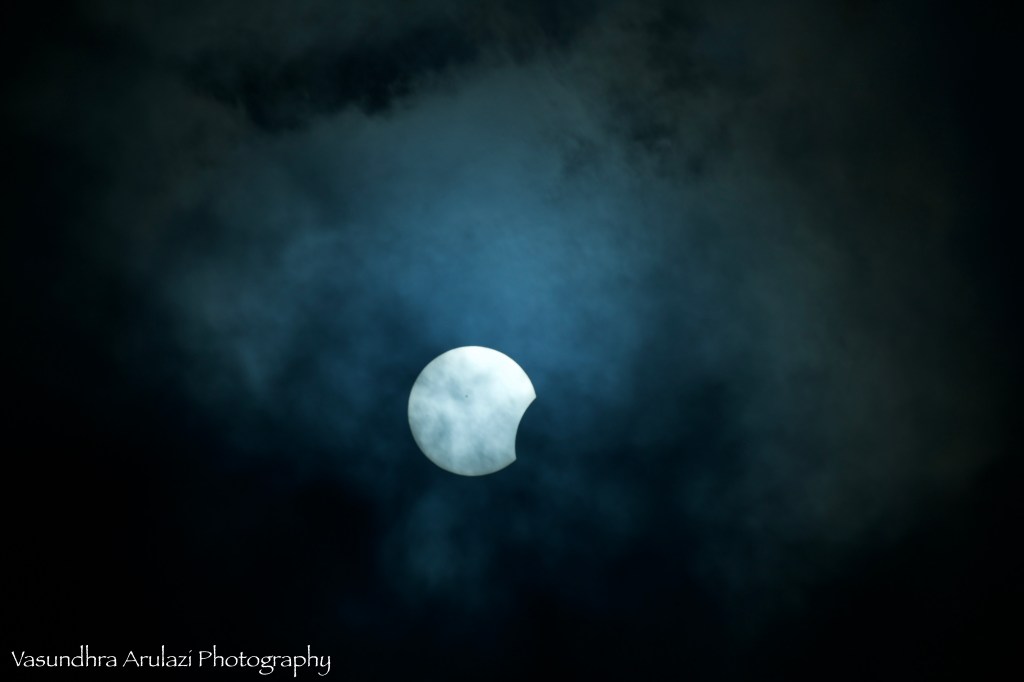
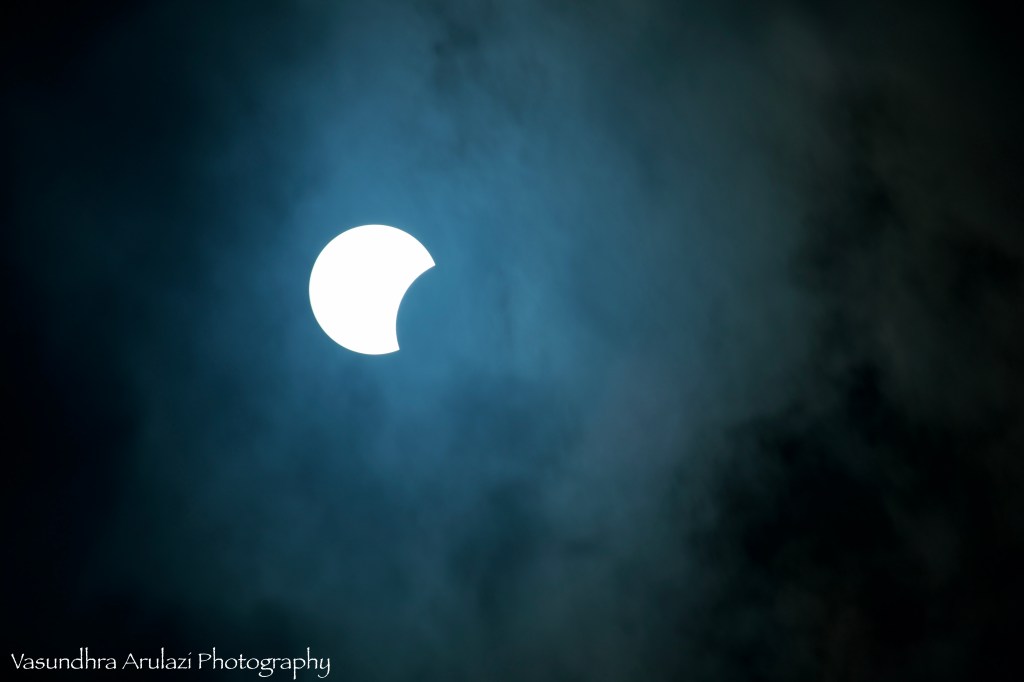
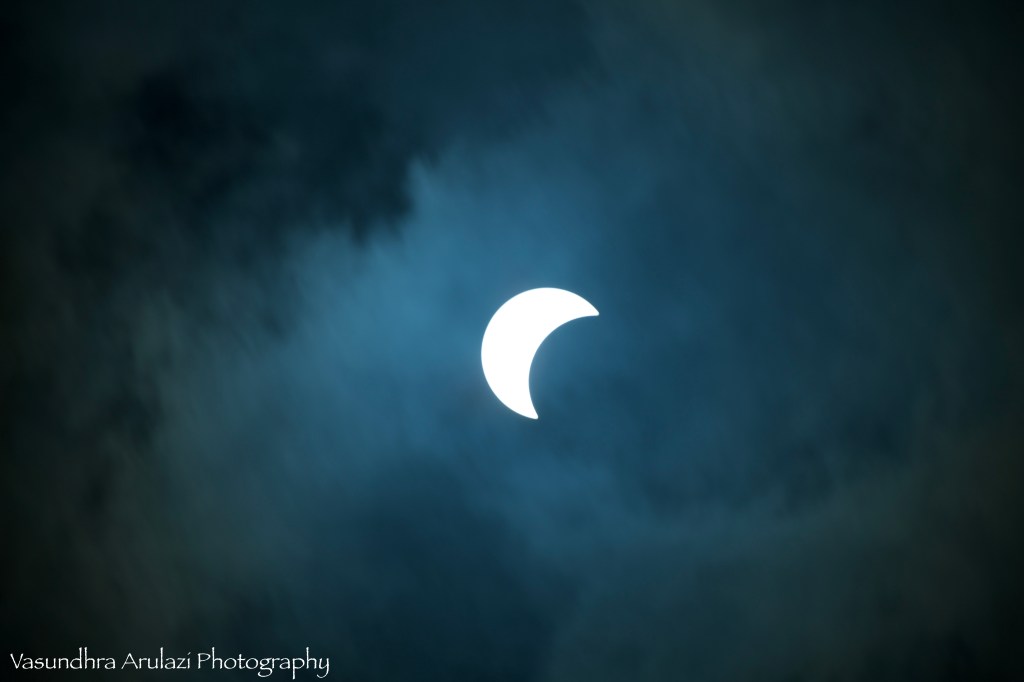
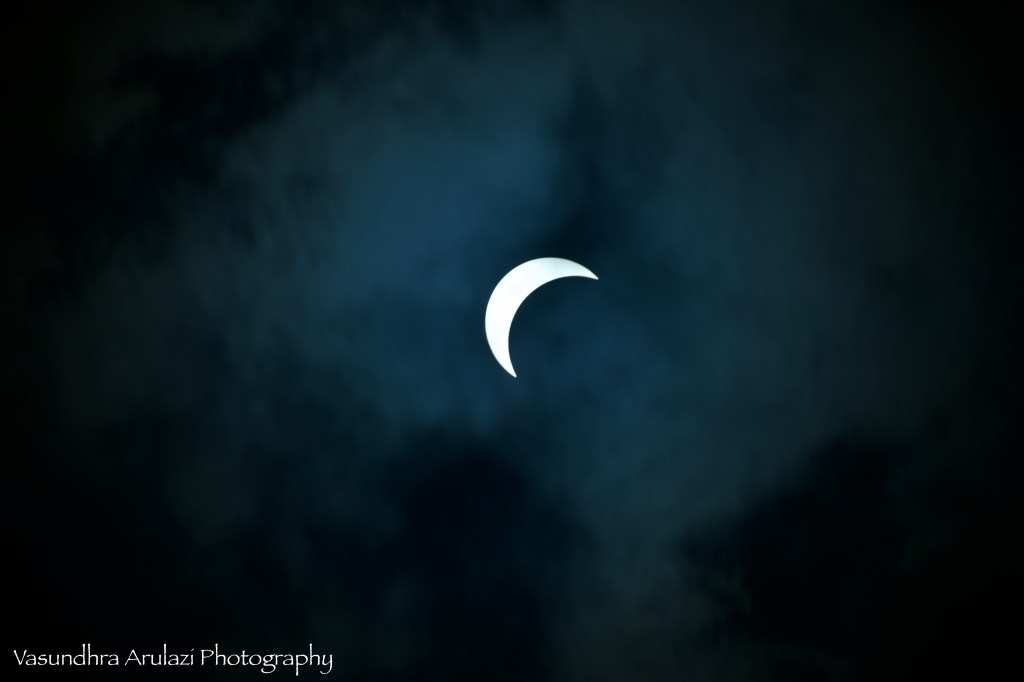
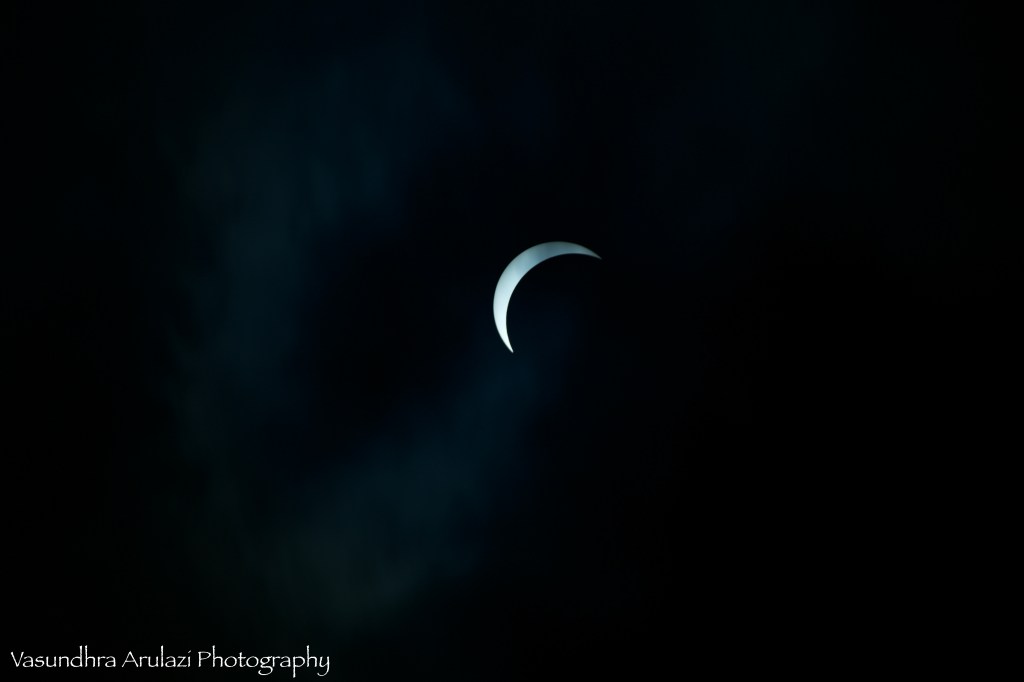
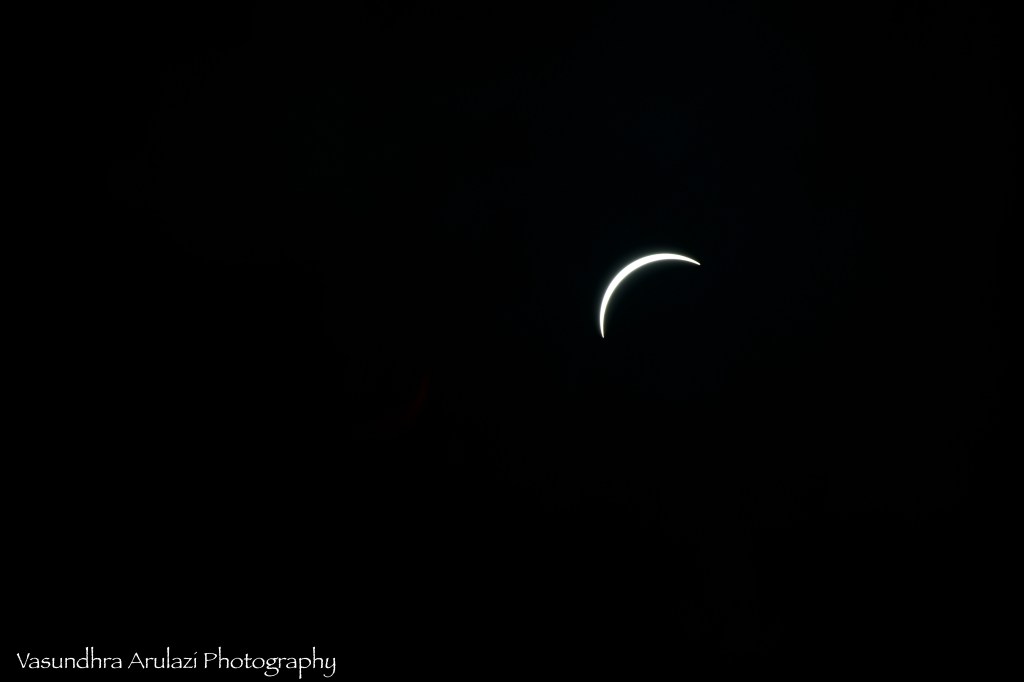
1:40 – 1:44 PM: Totality. The speakers are blaring ominous “eclipse” music, and the countdown approaches. Wearing my eclipse glasses, I could see the moon brushing past the end of the sun. Snapping quick photos along the way until it reaches totality. The temperature drops. The shadow is bright yet dull at the same time. The atmosphere has an eerie feeling. When I take my eclipse glasses off, I am surrounded by a sunset. The stars gleaming and Jupiter’s shy appearance tie the whole setting together. I look up towards the ‘angel of death’ like a deer staring at a car’s headlights. I spent a good minute just locked in and staring at the totality, thinking that life is not real. It looked like something out of a movie – unreal. Nothing can be compared to this moment. You have to be there to experience it because it’s indescribable. It is so amazing and aesthetically pleasing and just makes you feel awestruck. I escaped my trance and needed to capture the eclipse photo fast. I quickly unscrewed the solar filter, and my hand was shaking like the 4.8 magnitude New York earthquake. I quickly pressed the shutter button, but it was overexposed. Knowing I had around 10 seconds left, I adjusted the ISO, shutter speed, and aperture. It was all a blur when I did it. But I did it. 3 perfect photos with a very shy glimpse of the red solar flare in one of the images. I looked at the images and peered back to the eclipse. I was at a loss for words. I still am, to be honest. I quickly took my trembling hand and screwed back the solar filter on so the camera would not get damaged, and just like that, the totality was over. Everyone screamed, and the crowd roared at the marvelous moment. I showed my photos to the research scientists, and they showed theirs, and we screamed in glee.

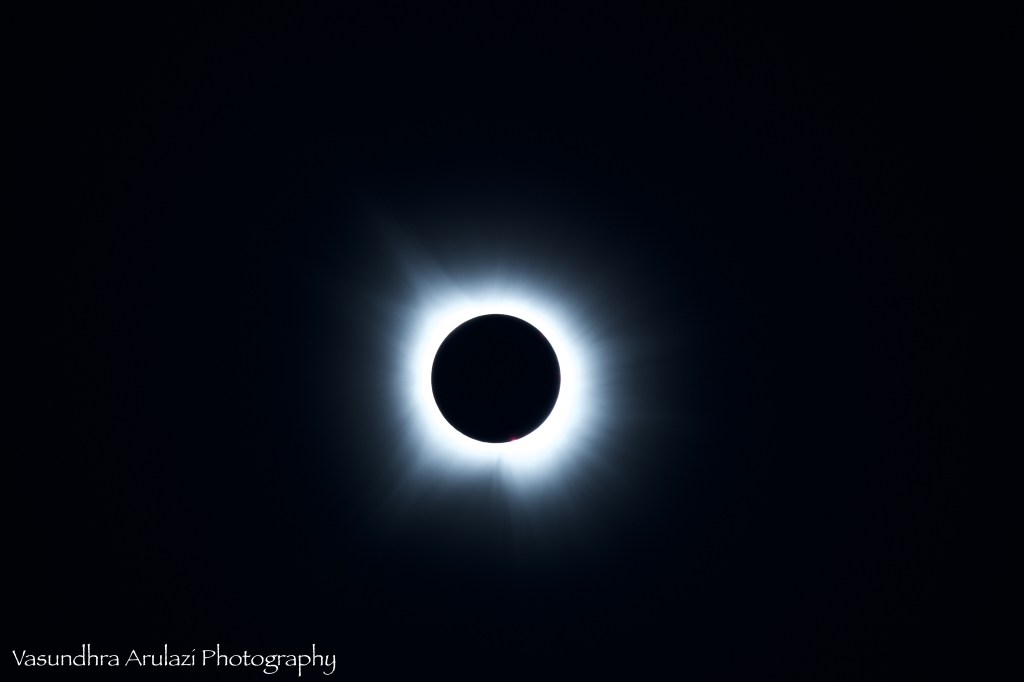
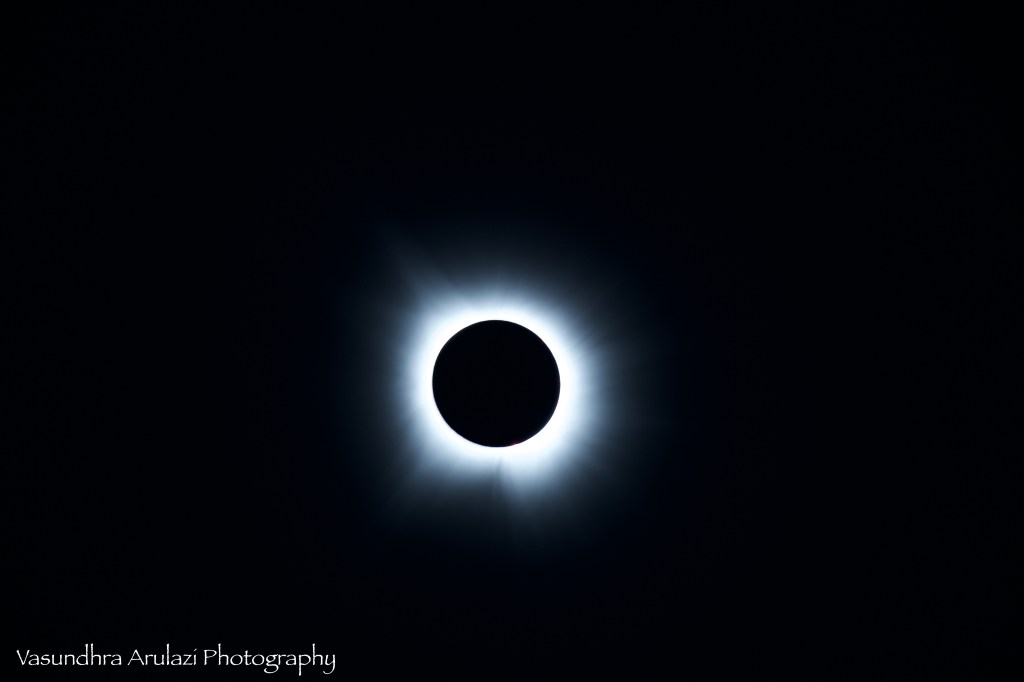
I was still ecstatic, and some people (shoutout to Kevin) I met before totality came up to me. We all were so happy to get a picture and witness this surreal moment. Being a part of this mesmerizing trance made me forget about all the stress I had and that no experience could ever be bested by this moment.
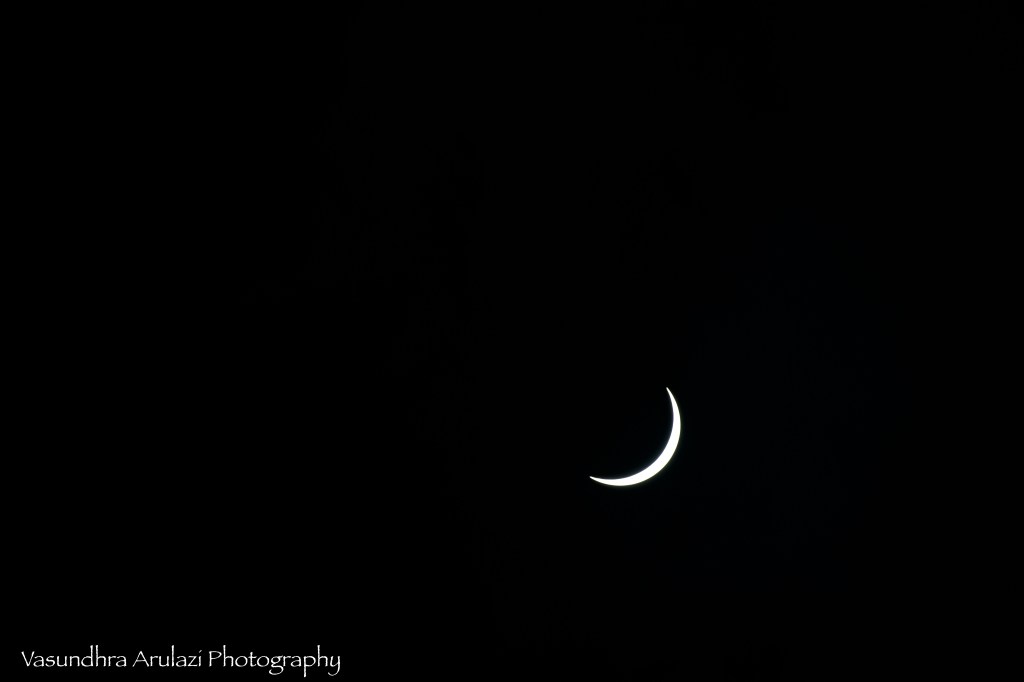
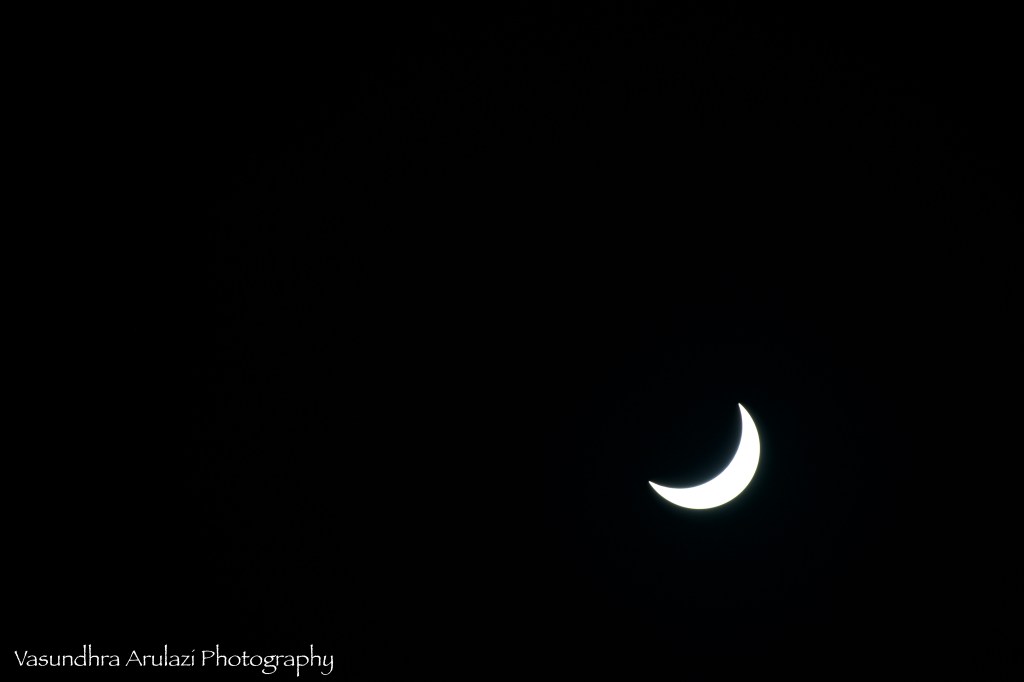
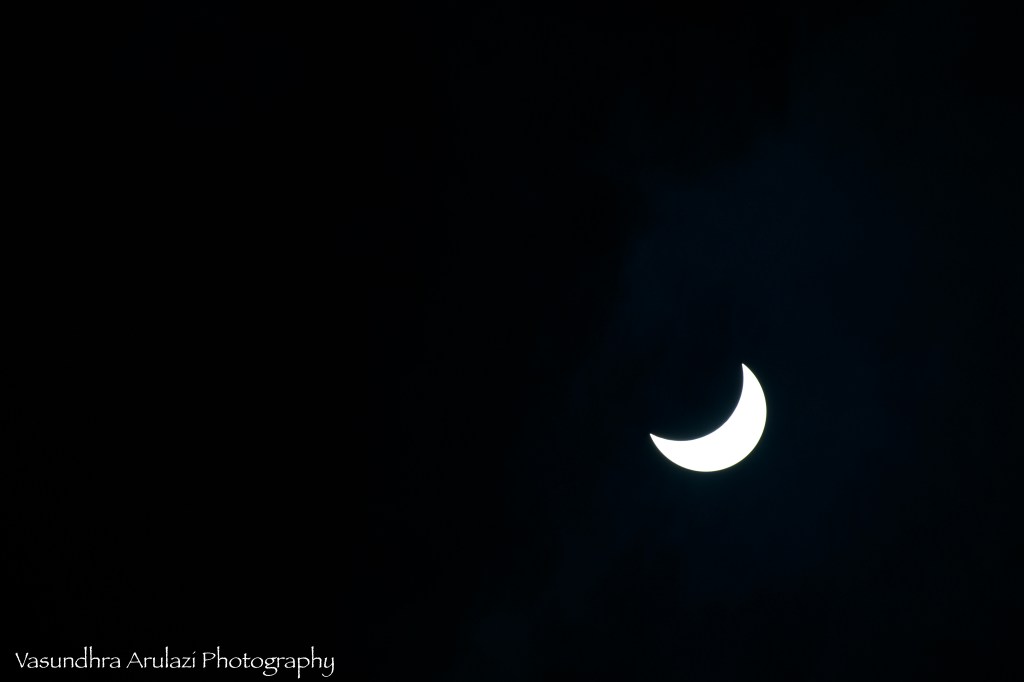
Next total solar eclipse is in 2026 if you’re willing to travel to Iceland, Greenland, or Northern Russia!


 Vasundhra Arulazi
Leave a comment